Analytic Light
Analytic light primitives offer a fast approximation of direct light from large direct light sources on scene materials. On every sample, the complete contribution is estimated, taking into account the roughness of the material and the shape of the light source. The Analytic lights mimic mesh lights but generate much less noise at lower sampling values than their mesh counterparts making them more efficient to render (figure 1). This also means that Analytic lights are mostly physically plausible rather than fully unbiased physical light sources such as the other Octane light types.
|
|
Analytic Light
|
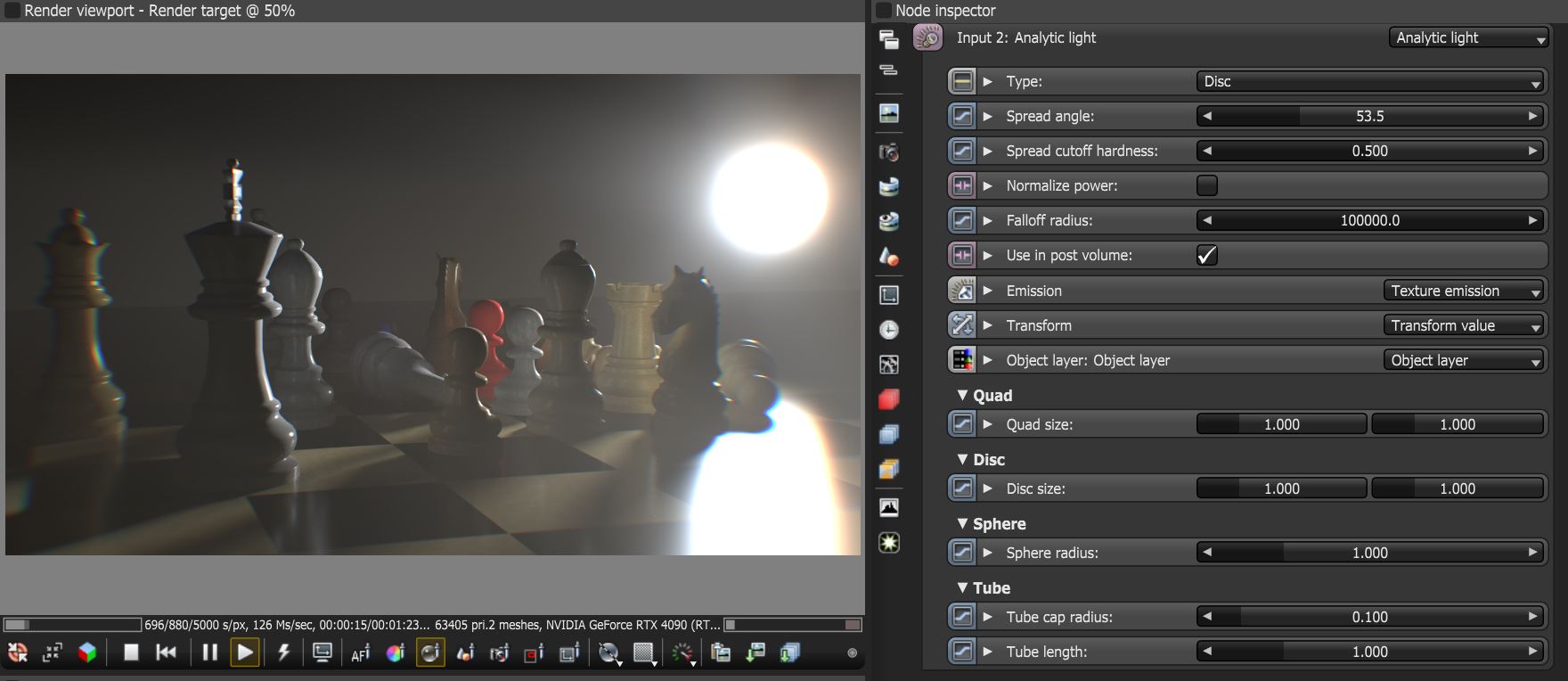
Figure 1: The Analytic light and it's associated parameters
Analytic Light Parameters
Type - Determines the light shape.
Spread Angle - Sets the width of the light source's cone of illumination when Quad or Disk light types are selected.
Spread Cutoff Hardness - Sets the edge hardness of the cone of illumination when Quad or Disk light types are selected.
Normalize Power - Keeps the emitted power constant when the angle changes.
Falloff Radius - Determines the falloff distance from the light source.
Use in Post Volume - Enables or disables the light in post volume rendering.
Emission - The emission type can be either a Texture Emission or a Black Body Emission. See the Mesh Emitters section for more details.
Transform - Contains parameters to move, scale, and rotate the analytic light.
Object Layer - Contains the standard object parameters. See the Object Layer Node section for more details.
Quad Size - Determines the size of the light source when Quad is selected as the light type.
Disc Size - Determines the size of the light source when Disk is selected as the light type.
Sphere Radius - Determines the radius of the light source when Sphere is selected as the light type.
Tube Cap Radius - Determines the radius of the light source when Tube is selected as the light type.
Tube Length - Determines the length of the light source when Tube is selected as the light type.