Material Layers System
The Layered material node system constructs complex materials that consist of a base layer and up to eight material layers (Figure 1). The layers are based on components used in previous Octane materials. Using this set of unique layers, OctaneRender® can recreate complex materials in a physically-based manner, as opposed to manually mixing existing materials together.. The various material layer nodes (Diffuse, Metallic, Sheen, and Specular) can be connected directly to the Layer pin on most standard Octane material nodes.
The Material Layer node system consists of the following nodes:
- Diffuse Layer - Used for dull, non-reflective materials.
- Material Layer - This node functions as a full material node with a single pin for a base material and multiple pins can be added for material layer node stacking.. It connects directly to an OUT Material node.
- Material Layer Group - Provides multiple material layer pins for material layers to be combine and is typically connected to the Layer input on an existing standard Octane material node or the Layer input on a Material Layer node which provides a method for creating complex material layer networks beyond the eight material layer limit.
- Metallic Layer - Used for highly reflective materials.
- Sheen Layer - Simulates the grazing coloration in fabrics.
- Specular Layer - Used for shiny materials like plastic, or clear materials like glass.
|
|
Material Layers
|

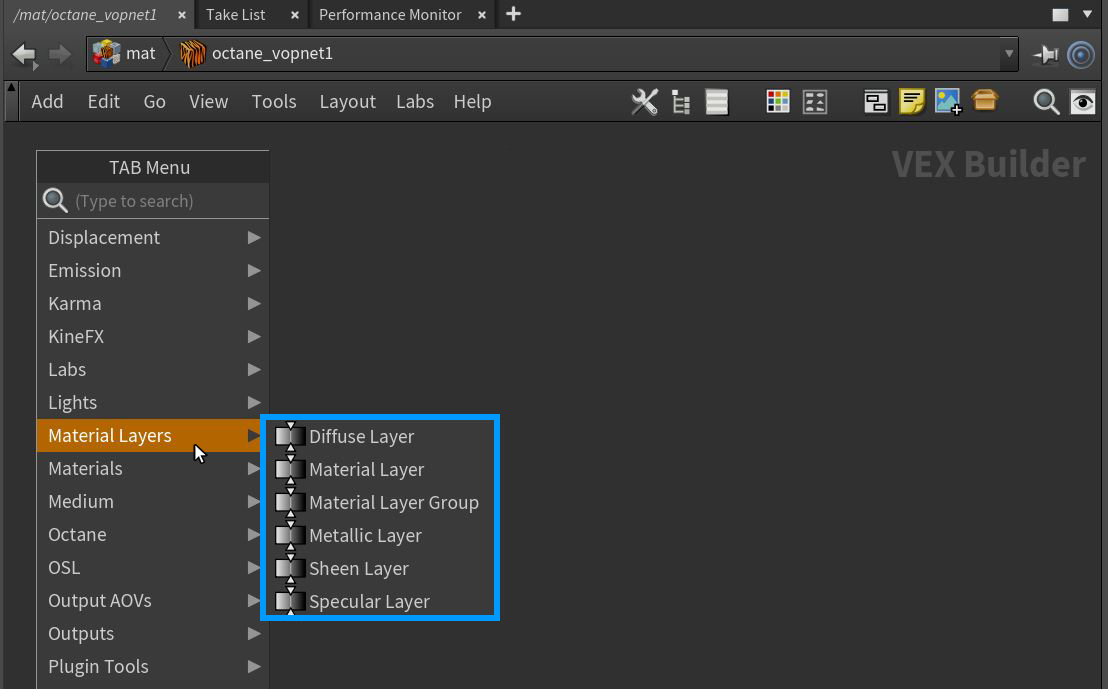
Figure 1: Accessing the Material Layer system