Lighting AOVs
The Light AOVs isolates a light source's contribution. Each light AOV behaves as if all the other lights in the scene are switched off. You can combine individual light AOVs to recreate the original render in post, or to further adjust the individual contributions of each light during post.
To use light AOVs, each light emitter needs to be identified and mapped to the desired Light AOV. This is done by assigning the Light Pass ID in each Emission node in the scene (figure 1).
|
|
Light Pass ID
|
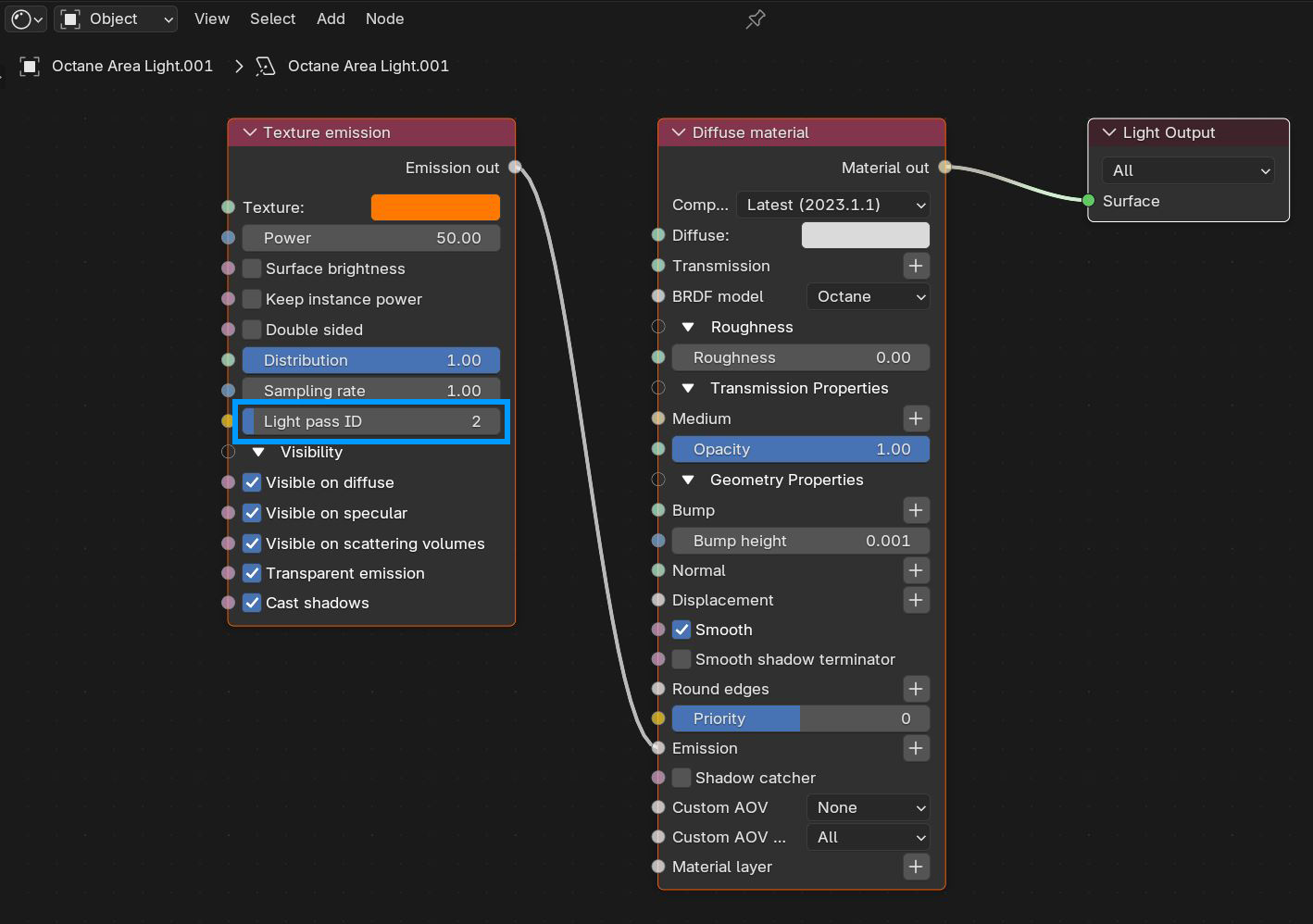
Figure 1: Assign Light pass ID in the Emission nodes
A Light AOV node with a corresponding Light ID needs to be added to the Render AOV Group node (figure 2). In the example below, Light ID of 2 was assigned to the rect light Texture Emission node in the Shader Editor. To render the AOV, a Light AOV node needs to be added and select Light ID 2 in the Octane Render AOV Editor. To view the AOV in the Preview Viewport, we use to the Render AOV Output node.
|
|
Light Pass ID
|
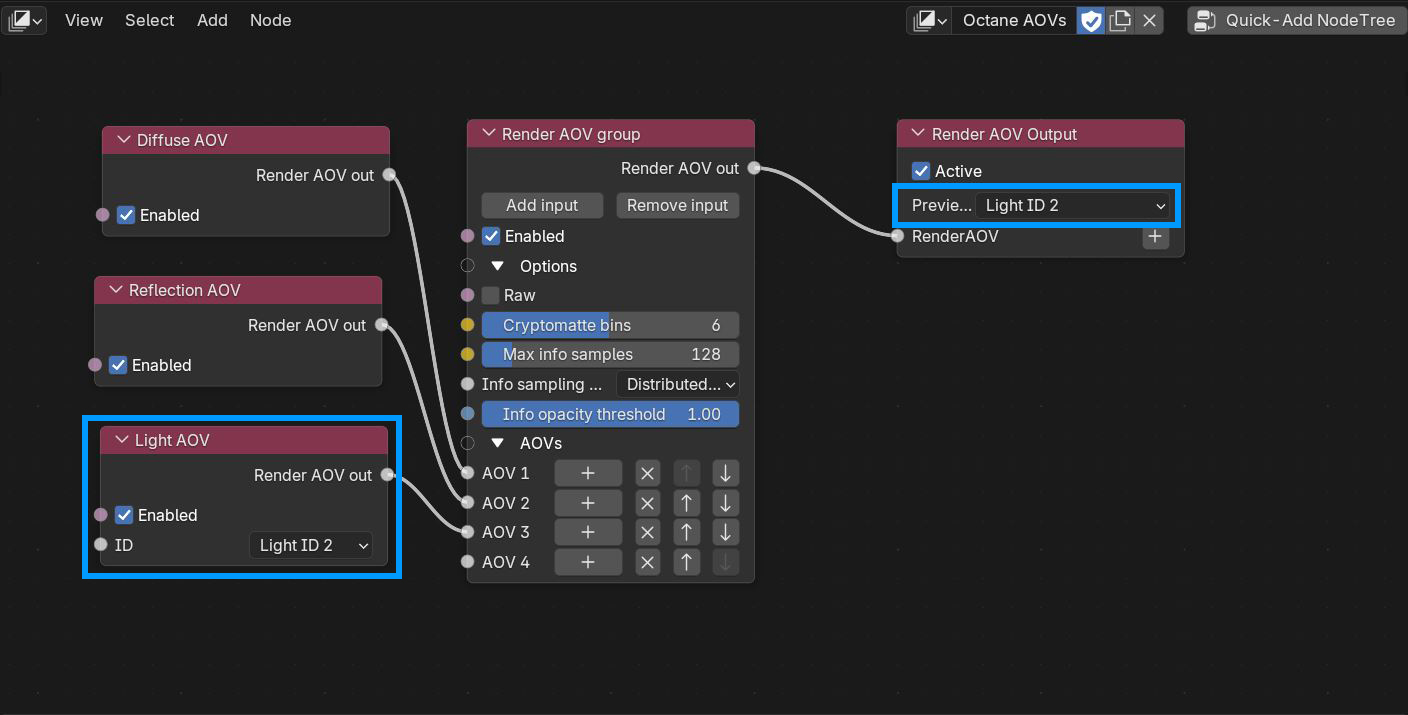
Figure 2: Setting the Light AOV node's ID to coorespond with the appropriate light source